Insights from your local experts
Welcome to our articles hub, where we share insights, tips, and the latest in material handling. As your 100% locally owned and operated Forklift and material handling Specialists in Dunedin, we're here to empower your business with knowledge.
Why Electric Forklifts Are the Smart Choice for Modern Warehouses
In today’s fast-paced logistics and warehousing environment, efficiency, cost control, and sustainability are more important than ever. One of the biggest operational decisions businesses face is choosing the right type of forklift. While diesel, LPG, and gasoline forklifts have long been industry staples, electric forklifts are rapidly becoming the preferred option
and for good reason.
Here’s a closer look at why electric forklifts outperform other fuel types in many applications.
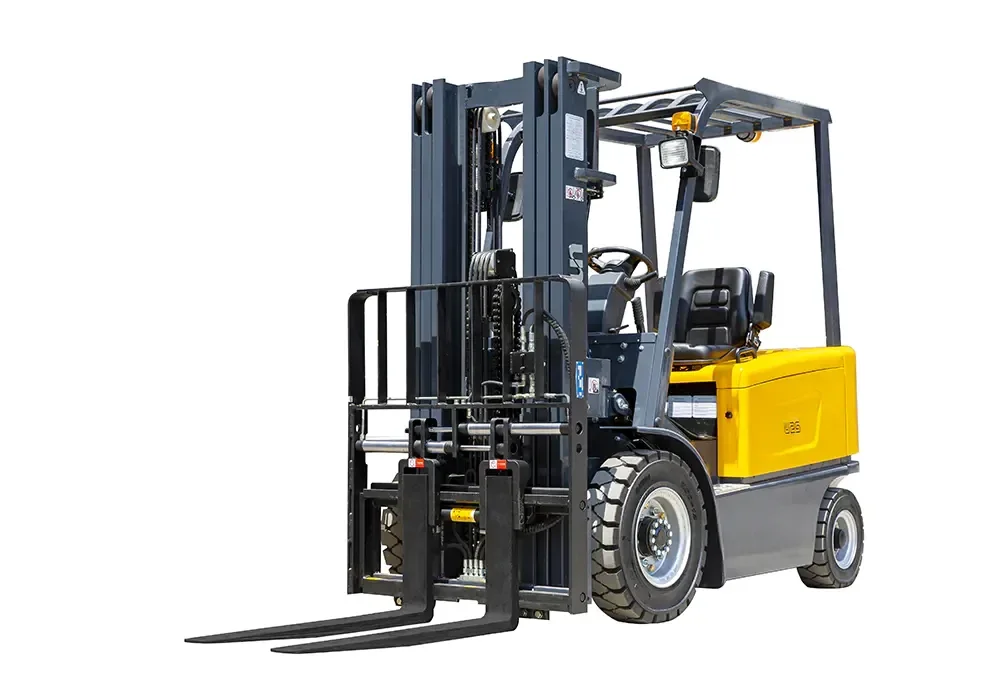
1. Lower Operating Costs Compared to Diesel and LPG Forklifts
Reduced Fuel Expenses
Electric forklifts eliminate the need for:
-
Diesel fuel
-
LPG cylinders
-
Gasoline refills
Electricity is typically more affordable and has more stable pricing compared to fossil fuels. Over time, this results in significant cost savings.
Lower Maintenance Requirements
Internal combustion forklifts require:
-
Oil changes
-
Fuel system maintenance
-
Exhaust system repairs
-
Engine servicing
Electric forklifts have fewer moving parts and no combustion engine, which means:
-
Less maintenance
-
Fewer breakdowns
-
Lower long-term service costs
For businesses running multi-shift operations, this can dramatically reduce total cost of ownership (TCO).

2. Zero Emissions: Ideal for Indoor Warehouse Use
One of the biggest advantages of electric forklifts is zero tailpipe emissions.
Unlike diesel or LPG forklifts, electric models:
-
Produce no carbon monoxide
-
Emit no nitrogen oxides
-
Generate no harmful particulate matter
This makes them ideal for:
-
Warehouses
-
Food storage facilities
-
Pharmaceutical manufacturing
-
Retail distribution centers
Cleaner air improves worker safety and helps companies meet environmental and OSHA regulations.
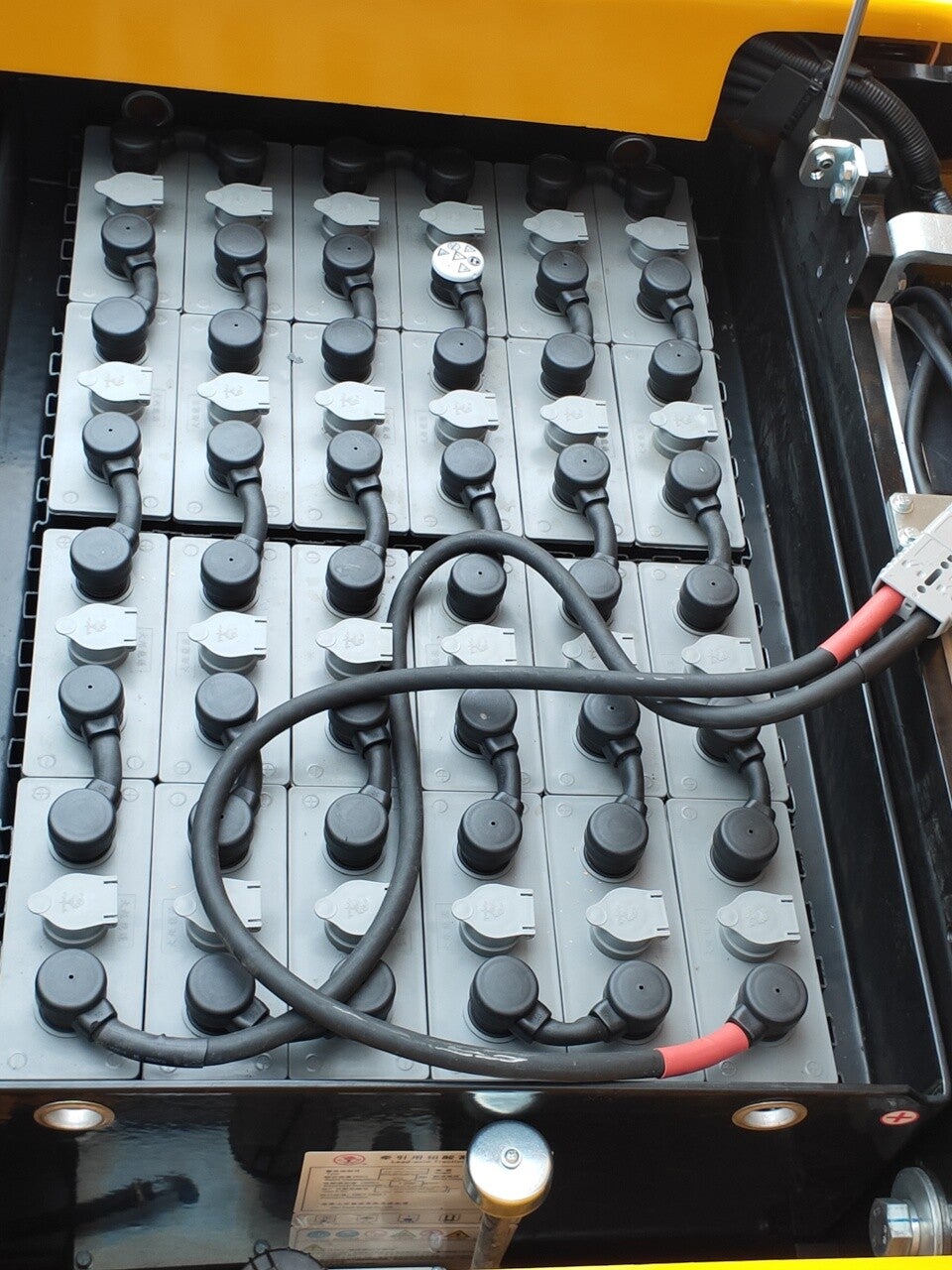
3. Energy Efficiency & Advanced Battery Technology
Electric forklifts convert more energy into usable power compared to internal combustion engines.
Key Efficiency Benefits:
-
Higher energy conversion rates
-
Regenerative braking systems
-
Less wasted heat
Modern lithium-ion battery systems allow:
-
Faster charging
-
Opportunity charging during breaks
-
Longer battery life
-
Minimal maintenance
These innovations increase uptime and productivity while lowering operational costs.
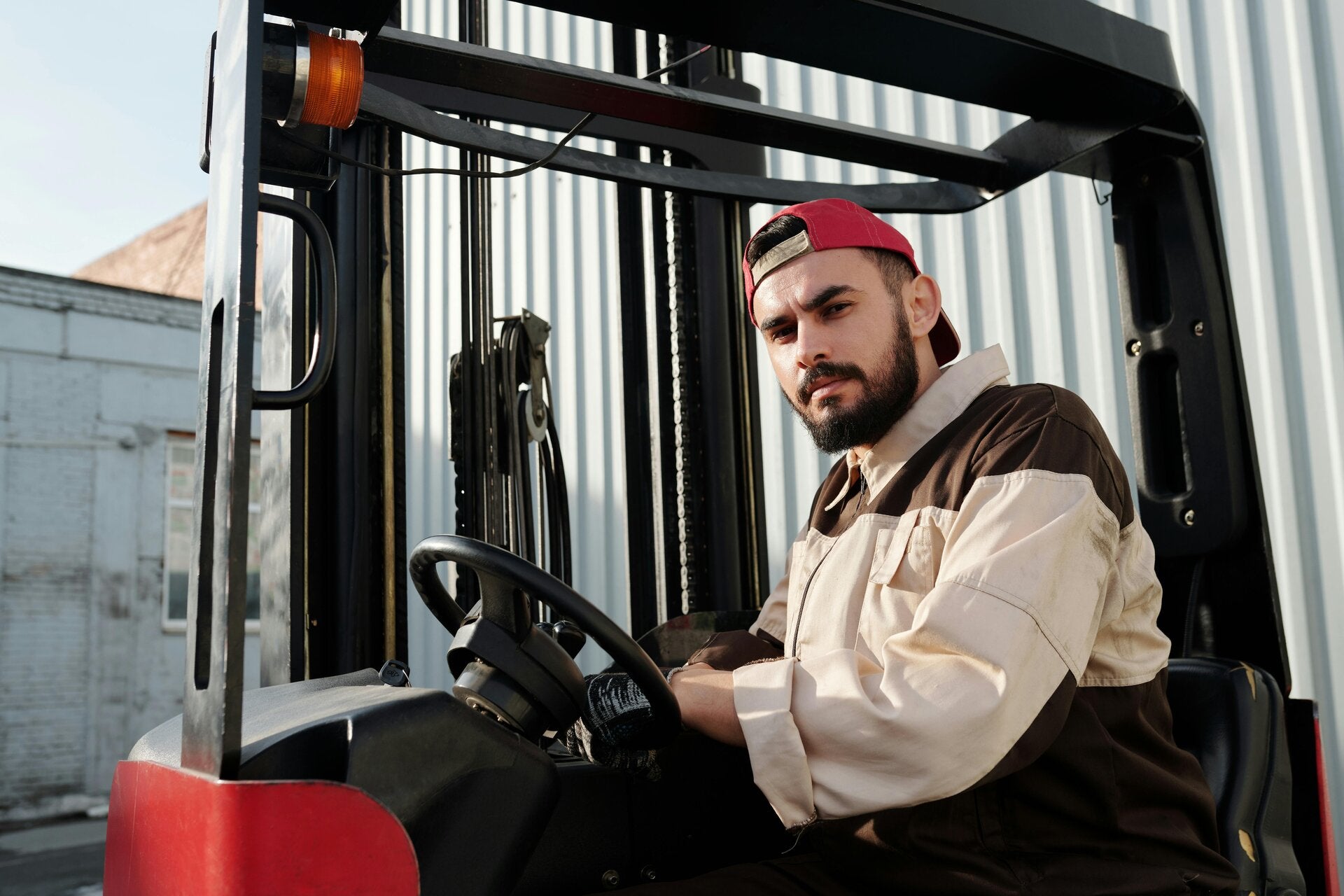
4. Quieter Operation Improves Workplace Productivity
Electric forklifts operate much more quietly than diesel and LPG models.
Benefits include:
-
Reduced workplace noise
-
Improved communication
-
Lower operator fatigue
-
Better indoor working conditions
For warehouses operating multiple shifts, quieter equipment creates a more efficient and comfortable environment.
Why Businesses Are Switching to Electric Forklifts
Companies across logistics, retail, food processing, and manufacturing are transitioning to electric fleets because they:
-
Reduce total operating costs
-
Improve worker safety
-
Support environmental compliance
-
Enhance overall productivity
-
Future-proof operations against stricter emissions laws
As battery technology continues to improve, electric forklifts are becoming more powerful and capable than ever before.